TEL: 01392 270 218 info@Roller-Shutters.UK
Regulations Clarified for Counter Height Fire Shutters
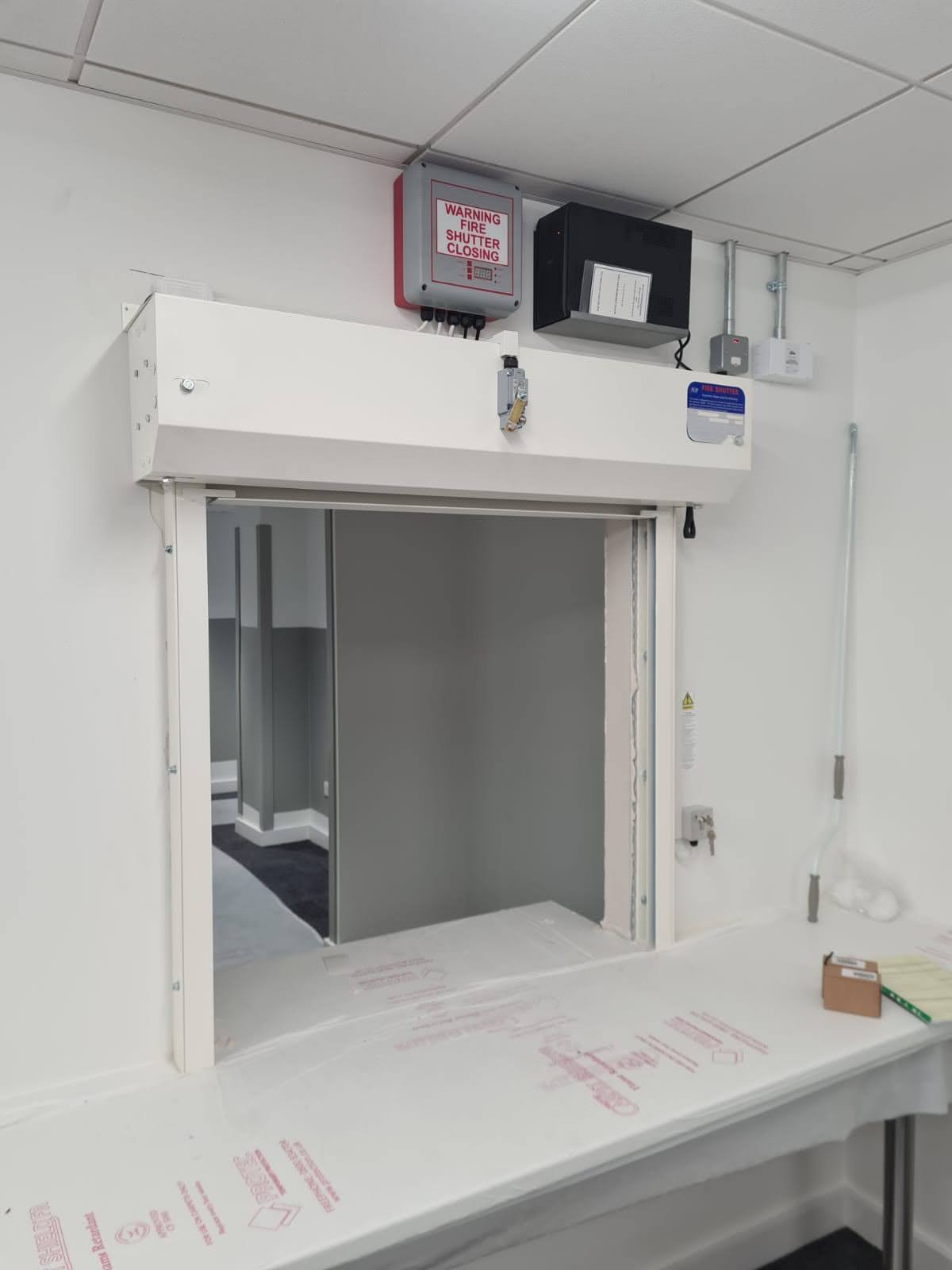
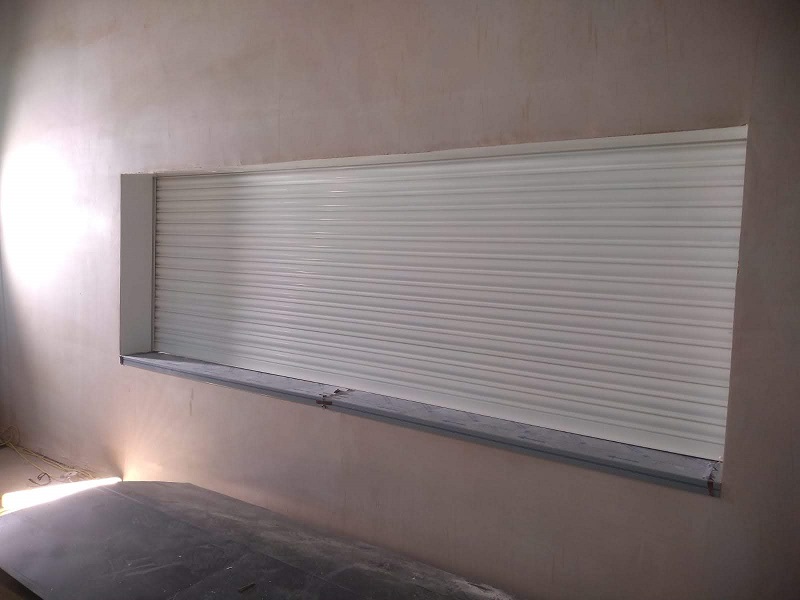
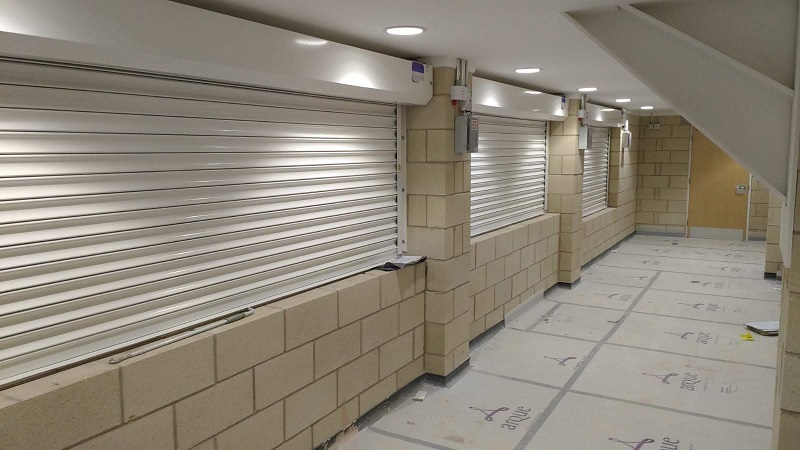
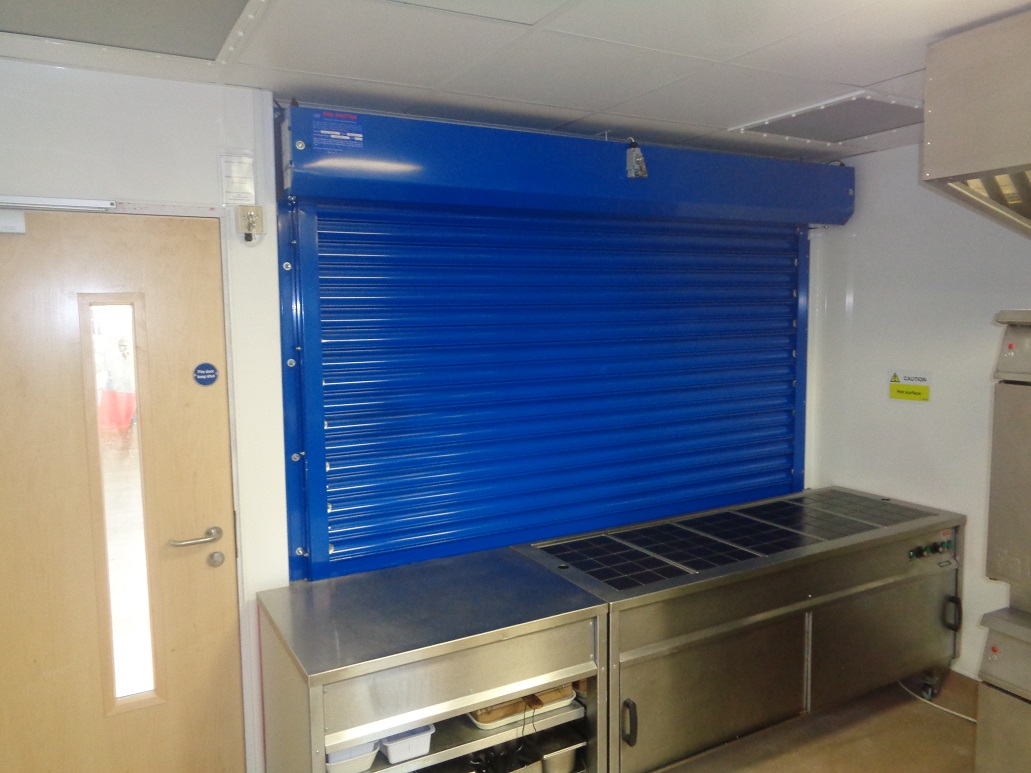
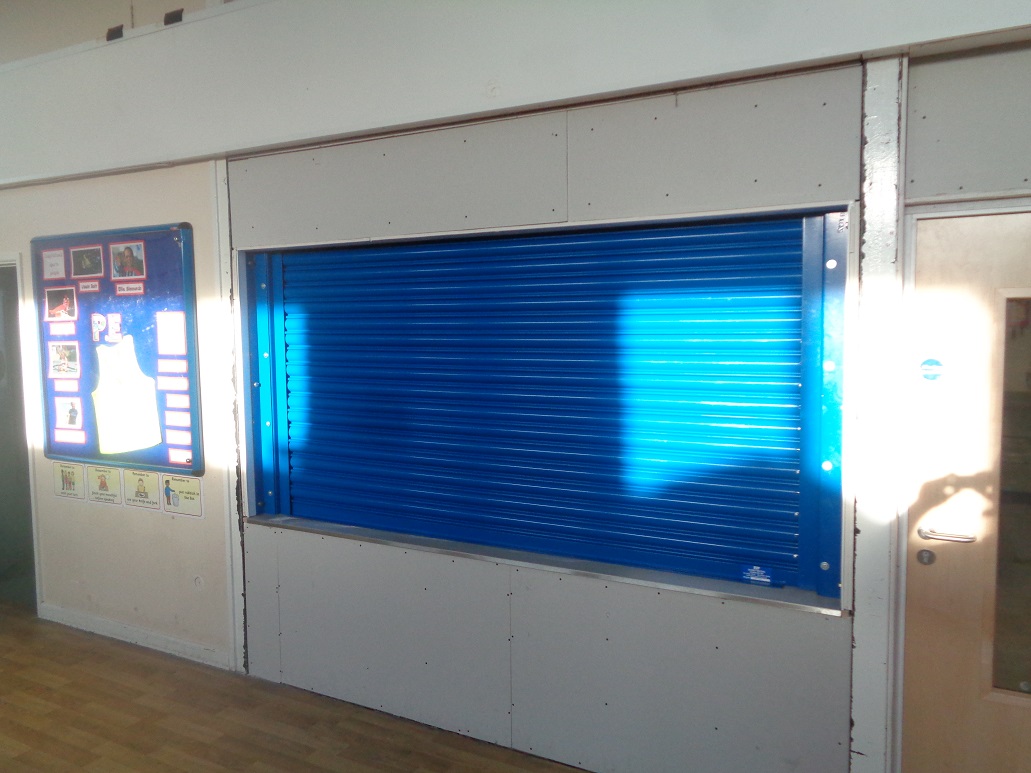
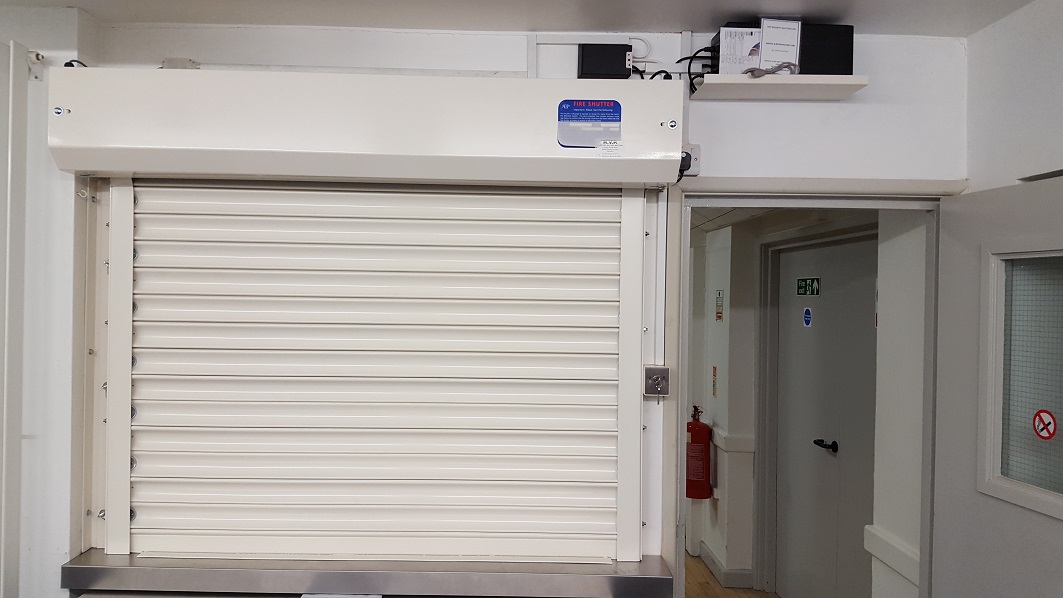
Servery Hatch Fire Shutters: The Serious Bit.
Fire shutters aren’t the most exciting topic in the world. They don’t beep, they don’t have apps, and they definitely don’t make your coffee.
But when they’re needed, they’re really needed.
So here’s a clear update on an industry-wide issue we’re seeing around fire-resistant roller shutters installed in servery hatch applications.
The quick headline
If a fire-resistant roller shutter is installed in a servery hatch configuration, the manufacturer must have specific test evidence for that exact application.
If they don’t, the shutter may be:
- Outside the field of application of the fire test evidence
- At risk of compromised integrity performance
- Unable to be legitimately conformity marked for that use
- Supported by no valid test evidence for the way it’s actually installed
In plain English: it might look like a compliant fire shutter, but on paper (and in a fire test scenario) it may not be.
Why this matters (beyond paperwork)
Nobody wants to find out after a project is signed off (or worse, after an incident) that the fire shutter installed wasn’t actually tested for the configuration it’s being used in.
Fire compliance isn’t a “close enough” situation. It’s a “prove it” situation.
What Building Control is asking for
Building Control Representatives are increasingly requesting “direct test evidence” before approving projects.
It’s also worth noting that the Office of Product Safety and Standards (OPSS) is aware of the wider situation in the market.
Where HVP stands: tested, evidenced, and properly documented
Our fire shutter range is supported by direct fire test evidence:
Warringtonfire Test Report No. 552862
And because real projects don’t always behave nicely, we’ve also put the right paperwork in place for controlled variations.
If your project deviates from the tested specification
We have a Technical Assessment Report that provides flexibility for alternative countertop configurations:
Technical Assessment Report No. FPA107941r1
This includes:
- Countertop height variations (increased or decreased)
- Countertop material types classified as A1 (non-combustible) in accordance with EN 13501-1
Additional scope for modifications that would typically fall outside an Extended Application Report
Reference framework: BS EN 15269-10:2011
Servery hatch fire shutters are permitted (and this supports CE scope)
Are fire shutters also have:
Extended Application Report No. EUI-25-000555
This report clearly states that servery hatch fire shutters are permitted, and it forms the basis of product scope for CE Certification.
A polite but important warning about “alternative suppliers”
If a supplier cannot provide sufficient evidence of compliance for a servery hatch fire shutter application, then the product supplied would be considered non-compliant.
And if a supplier has previously installed servery hatch fire shutters without appropriate test evidence for that configuration, it’s worth asking questions—because it may expose the responsible parties to unnecessary risk.
What you should do next (simple checklist)
If you’re specifying or installing a fire shutter into a servery hatch application, ask for:
- Direct test evidence for the servery hatch configuration
- The relevant field of application confirmation
- Any technical assessment supporting permitted variations
- The extended application documentation where applicable
If the response is vague, missing, or “it’ll be fine”… it probably won’t be.
Need help? We’re here
If you’d like to sanity-check a specification, confirm compliance, or discuss a project detail, just reach out.
We’re always happy to provide technical support—because when it comes to fire protection, we’d rather be boring and correct than exciting and wrong.
Thank you for your continued support and business—it’s genuinely appreciated.